


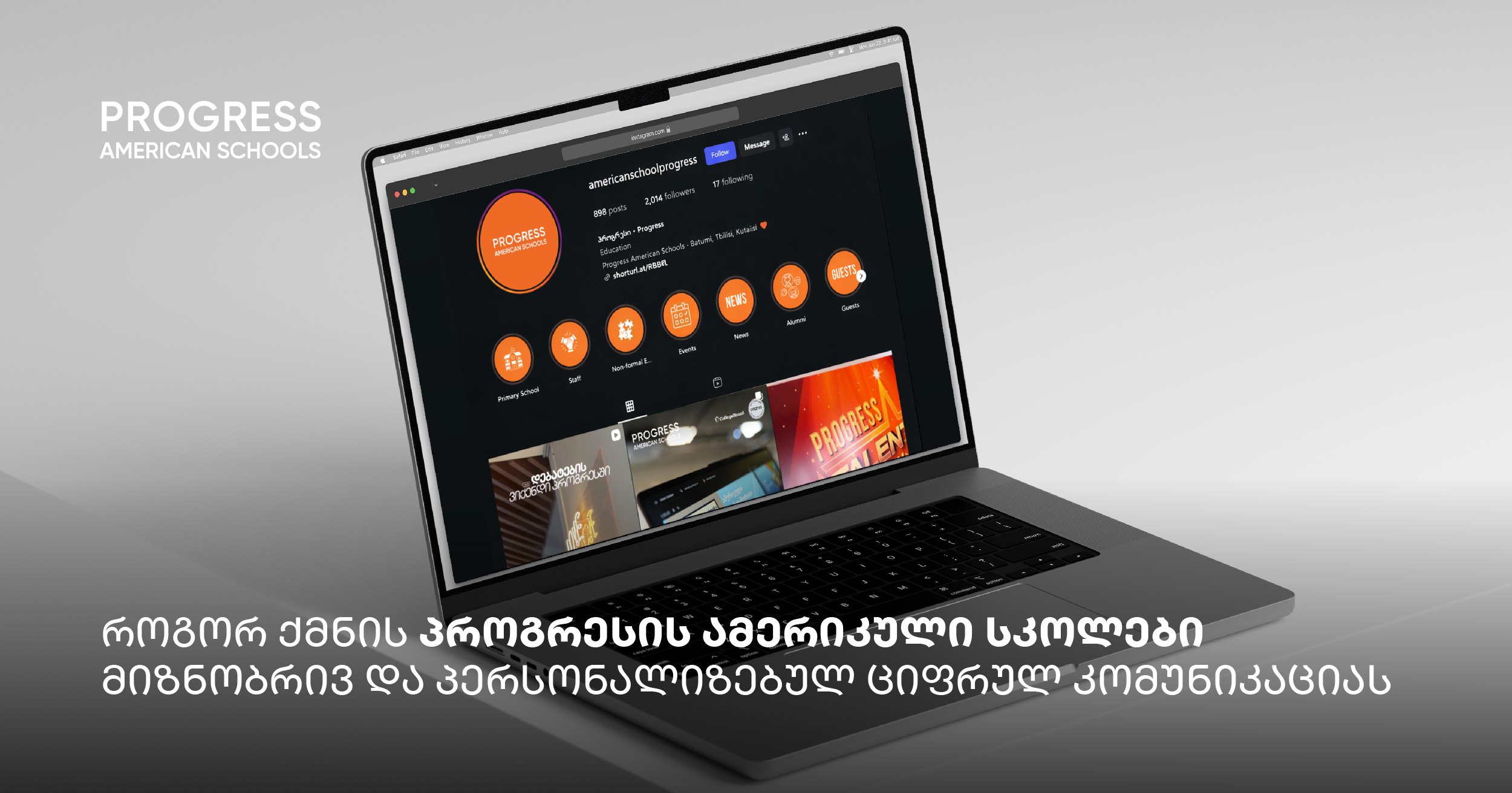
How progressive American schools create targeted and personalized digital communication.
According to industrial research and global trends, digital marketing no longer serves merely as a supportive function; it has evolved into one of the primary strategic factors of organizational success. This trend is particularly evident in the education sector, where parents make decisions based on the information they receive and the impressions they form within the digital space.
Today, a parent’s decision-making process begins with the recognition of a need, continues with searching for information through online channels, evaluating the impressions formed, and concludes with a specific action - contacting the school, sending a message, or scheduling a visit. Throughout this process, digital communication becomes the main space where trust - or a lack of trust - is established.
In the educational sector, traditional advertising approaches have long ceased to be effective. Parents no longer respond solely to visually appealing campaigns. Education is a high-responsibility decision, based not only on academic promises but also on factors such as safety, environment, values, and emotional well-being. In this context, digital marketing for schools is no longer just a tool for increasing visibility; it becomes a mechanism for building trust.
Within this process, content represents one of the most powerful tools. A well-planned content strategy enables schools to:
- Clearly and consistently define their positioning;
- Provide audiences with valuable and authentic information;
- Build emotional connections with parents and students;
- Ensure effective, two-way communication.
Progress American Schools position themselves as a large educational corporation that has introduced new standards of digital marketing within the education sector. The school’s digital communication across all three cities - Tbilisi, Kutaisi, and Batumi - is based on a unified strategic vision, adapted to both the local context and the communication of American educational standards.
The schools’ content strategy develops across several consistent directions:
- Academic content that reflects the quality and methodology of the learning process;
- Daily school life content that increases transparency and trust;
- Stories of teachers and students as the authentic face of the brand;
- International projects and exchange programs that strengthen the school’s global positioning;
- International partnerships and achievements that reinforce the school’s competitive advantages;
- Internal corporate communication that turns employees into active participants in brand formation.
The combination of these directions creates a strong, consistent, and reputationally sustainable digital image, presenting the school not only as an academic institution but also as a modern, values-driven organization.
Systematic observation and parent feedback demonstrate that strategically designed and diverse content directly influences the growth of interest in the school and the final decision-making process. The increase in social media engagement metrics and repeated acknowledgment from parents that their first and most important information about the school came from digital channels clearly confirm the effectiveness of this approach.
Progress American Schools view the digital marketing process not as a tactical activity, but as a long-term, strategy-driven approach that serves to build trust, reputation, and sustainable development.
This approach once again demonstrates that success in education is achieved when digital communication serves not only visibility, but the consistent and responsible transmission of values.
